NCLEX-RN® diabetes questions should be a top area of focus. Review the ins and outs of diabetes, then consider five questions that could come up on exam day. Programs like Slone NCLEX provide these questions and more to help you succeed. One of the most complicated areas of nursing is endocrine. More specifically, diabetes. There...
The basis of Neuro NCLEX® questions can be mastered by remembering a few key skills. Regardless of what area of nursing the NCLEX® is testing you about, the question has something to do with safety. Similarly, no matter what the neuro NCLEX ® question is, the ABCs are the first priority. Is their airway intact? Are...
When nursing students ask, “Is 5 weeks enough to study for the NCLEX®?” the answer is, “Yes.”
However, you will need a multipronged approach to set yourself up for success.
In addition to reviewing practice questions regularly, registering for a preparation program like Slone NCLEX and ensuring quality mental and physical health, will give you the best chance of passing the exam.
We get asked a lot — How much time do I need to prepare for the NCLEX® exam? Is five weeks enough to study for the NCLEX®? The short answer is YES.
The longer answer is you have to be disciplined and focused over those five weeks to be completely ready. It’s always best to take the exam as soon as possible after graduation and to prepare every day until then. Some states like Minnesota and Iowa even allow students to receive their authorization to test in two to four weeks.
Here are some things you need to do to set yourself up for ... Read more
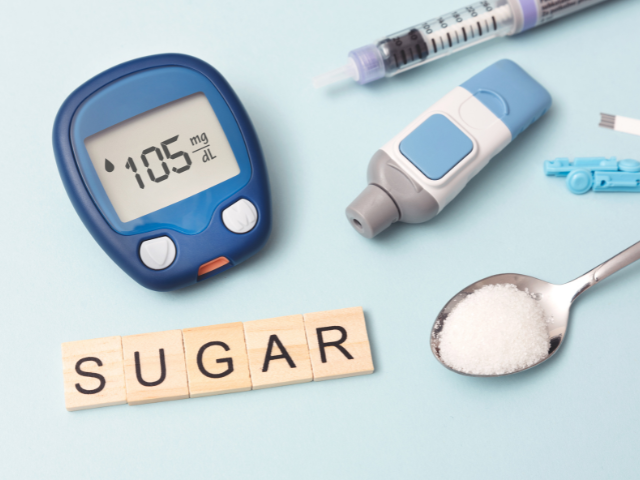
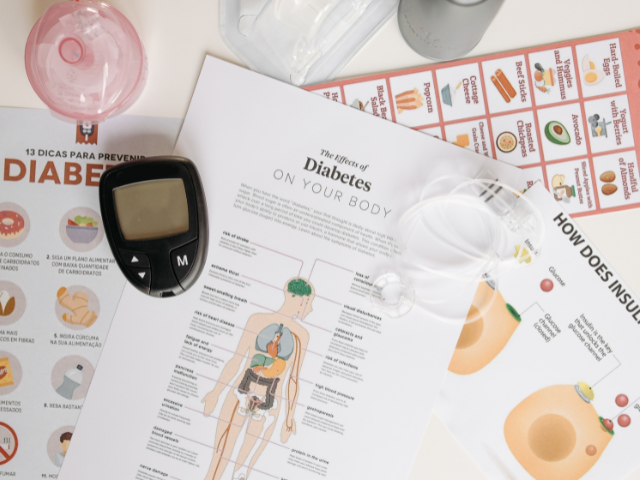
NCLEX-RN® diabetes questions should be a top area of focus.
Review the ins and outs of diabetes, then consider five questions that could come up on exam day.
Programs like Slone NCLEX provide these questions and more to help you succeed.
One of the most complicated areas of nursing is endocrine. More specifically, diabetes. There seem to be so many ins and outs of diabetes that it’s easy to get lost and get the information twisted, while not missing the key need-to-know information missed. A few things to remember. Diabetes is a disease of blood sugar. When being tested over diabetes, you will get questions about safe medication administration, safe blood sugar ranges, patient assessments, symptoms, and interventions for hyper/hypoglycemia and DKA and HHS. Key things to remember when giving any medication or performing any intervention always ASSESS your patient first and then intervene/give the medication and then REASSESS. This tells you if it is SAFE to perform that intervention/give that medication, and then you REASSESS to make sure your intervention worked/was effective, or if it worked too well. So, in diabetes, the big assessment is going to be blood sugar. Make sure you are assessing that blood sugar BEFORE any medication administration and then reassessing that blood sugar, especially if the client is showing signs of high or low blood sugars. Memory trick to remember hypoglycemia: TIRED – Tachycardia, Irritability, Restlessness, Excessively hungry, Diaphoresis – Think Hangry!Memory trick to remember hyperglycemia: 3 P’s, polydipsia (excessive thirst), polyphagia (excessive hunger), polyuria (excessive urination).So today we are going to refresh you on the need-to-know terms related to diabetes and give you five examples of what NCLEX-RN® diabetes questions could look like.
Key Terms for NCLEX-RN® Diabetes Questions
Diabetes Mellitus: A complex, chronic, and common disease of impaired nutrient metabolism, especially glucose, affecting the function of all body systems.Diabetic Ketoacidosis (DKA): A life-threatening diabetes complication, more commonly known as Type 1 diabetes mellitus, that is manifested by uncontrolled hyperglycemia, increased ketone production, and metabolic acidosis.Diabetic Peripheral Neuropathy: Progressive nerve function deterioration that causes loss of sensory perception, most commonly starting in the toes and feet of a diabetic patient.Gastroparesis: A chronic disease that causes delayed stomach emptying and can occur in people with diabetes when high blood sugar damages nerves in the stomach, slowing or stopping digestion. It's a complication seen with long-term Type 1 and Type 2 diabetes.Glucagon: A hormone that helps regulate blood sugar levels. It is produced by the pancreas and released into the bloodstream when blood glucose levels fall. Glucagon is important for maintaining a stable blood sugar level, which is vital for the body to function. When blood sugar levels are low, glucagon raises the blood sugar.Gluconeogenesis: The process of creating glucose from non-carbohydrate precursors, such as lactate, pyruvate, amino acids, and glycerol. It's a metabolic process that occurs mainly in the liver and kidneys and is essential to maintain stable blood sugar levels.Glucose Regulation: Process maintaining the blood glucose levels within a stable range, despite changes in glucose intake and energy use.Glycogenesis: Process of converting glucose into glycogen to be stored in the body.Glycogenolysis: Process of breaking down glycogen into glucose to produce energy.Glycosylated hemoglobin (A1C): a standardized lab test that measures long-term blood sugar control. Normal is below 5.7%, prediabetes is 5.7%-6.4%, diabetes is 6.5% or higher.Hyperglycemia: Blood glucose above the normal range of 100.Hyperglycemic-Hyperosmolar State (HHS): A life-threatening complication of diabetes, most commonly Type 2 DM, that occurs when blood glucose levels remain too high for a long time. HHS is characterized by severe dehydration, hyperglycemia, and hyperosmolality, without significant ketoacidosis, which is seen in diabetic ketoacidosis.Hypoglycemia: Blood glucose lower than the normal range of 70.Hyperinsulinemia: A chronic condition where the amount of insulin in the blood is higher than normal. Insulin is a hormone produced by the pancreas that helps regulate blood sugar.Ketogenesis: A metabolic process that converts the body’s fats to acid products (ketones), which are an alternative energy source for the body.Ketones: Abnormal acidic breakdown products that accumulate in the blood when insulin is unavailable, causing an acid-base imbalance leading to metabolic acidosis.Kussmaul Respirations: Rapid, deep breathing patterns occur as the body responds to metabolic acidosis, often caused by diabetic ketoacidosis (DKA). The body tries to expel excess carbon dioxide through fast, deep breaths to correct the blood pH level.Lipolysis: A metabolic process that breaks down body fat to turn into glycerol and fatty acids.Metabolic Syndrome: A simultaneous presence of multiple health conditions including hypertension, hyperglycemia, excess abdominal fat, and hyperlipidemia. When present together, they significantly increase the risk of developing heart disease, stroke, and Type 2 diabetes. Metabolic syndrome is linked to obesity and inactivity, and is characterized by insulin resistance where the body doesn't use insulin effectively.Proliferative Diabetic Retinopathy: A complication of diabetic retinopathy (DR) that occurs when new, abnormal blood vessels grow in the retina. These vessels are fragile and bleed easily causing the vision to be obscured.Proteolysis: Process of breaking down proteins into amino acids.
Sample NCLEX-RN® Diabetes Questions
Now that we have covered the basics, let's bring it all together to see how it could be represented on your NCLEX® exam. 1. The nurse is preparing to administer rapid-acting insulin to a client with diabetes mellitus type 1. Which of the following actions by the nurse is the priority?
Assessing the blood sugar.
Checking the client’s vital signs.
Getting a second nurse to check the insulin dose.
Rotating injection sites.
2. The nurse recognizes that which of the following symptoms indicates the client’s blood sugar may be low?
Heart rate of 58.
Increased urine output.
The client is diaphoretic.
The client’s skin is dry and flushed.
3. The nurse is assessing a client who presents to the emergency room with a blood glucose of 451; urine is positive for ketones, leukocytes, and protein; client has rapid deep respirations. The nurse anticipates the physician ordering which of the following order sets?
Hyperglycemic-hyperosmolar state treatment order set.
Hypoglycemia protocol order set.
Hyperglycemia protocol order set.
Diabetic ketoacidosis treatment order set.
4. The nurse is providing education to a client newly diagnosed with diabetes type 2 who asks, “My doctor says I have metabolic syndrome and diabetes. What does that mean?” Which response by the nurse is appropriate?
“Having metabolic syndrome and diabetes places you at higher risk for cardiovascular disease and you will need to have good control of your blood sugar, blood pressure, and cholesterol to prevent complications.”
“It means that your body has a harder time eliminating drugs from the body so you will need to take lower doses of medication to prevent toxicities.”
“This means you will likely need insulin to manage your diabetes rather than oral antidiabetics.”
“Metabolic syndrome will help your body’s cells absorb insulin better to provide good blood glucose control.”
5. The nurse educates the client on the manifestations of hyperglycemia. Which symptoms does the nurse include in their teaching? (Select all that apply)
Headache.
Increased urine output.
Tachycardia.
Increased thirst.
Diaphoresis.
Increased hunger.
The correct answers to these questions are as follows:
(A) Assessing the client’s blood sugar.The priority action by the nurse is to assess the client’s blood sugar. This determines if it is safe to administer the insulin to the client and is the highest priority to prevent harm. The other actions may be completed by the nurse, but they are not the priority.
(C) The client is diaphoretic. Symptoms of hypoglycemia include tachycardia, irritability, restlessness, excessive hunger, and diaphoresis (remember TIRED). The other options are not correct and are not symptoms of hypoglycemia.
(D) Diabetic ketoacidosis treatment order set. The client has symptoms indicating diabetic ketoacidosis, which includes hyperglycemia, metabolic acidosis, and increased production of ketones causing ketones in the urine. The other options are not correct. The client has ketones in the urine representing DKA, not HHS. Additionally, the client has high, not low, blood sugar, but the hyperglycemia protocol is not adequate to treat this client.
(A) “Having metabolic syndrome and diabetes places you at higher risk for cardiovascular disease and you will need to have good control of your blood sugar, blood pressure, and cholesterol to prevent complications.” The correct teaching by the nurse would state that metabolic syndrome with diabetes increases the client’s risk for cardiovascular disease so the client will need to have good glucose, blood pressure, and cholesterol control. The other options are incorrect and not accurate teaching.
(B,D,F) Increased urine output, increased thirst, and increased hunger.The signs and symptoms of hyperglycemia are the 3 P’s polydipsia (increased thirst), polyphagia (increased hunger), and polyuria (increased urine output).
The Bottom Line
Now that you have successfully read through and answered all of these questions, you are that much closer and that much more prepared to take and pass the NCLEX®! Know that you’ve got this and that we’ve got you!
The basis of Neuro NCLEX® questions can be mastered by remembering a few key skills.
Regardless of what area of nursing the NCLEX® is testing you about, the question has something to do with safety.
Similarly, no matter what the neuro NCLEX ® question is, the ABCs are the first priority. Is their airway intact? Are they breathing? Is their heart pumping and circulating blood?
Let’s talk about one of the toughest areas of nursing school, NCLEX®, and just nursing in general – neuro! We have a few NCLEX-RN® test-taking strategies to help you pass the NCLEX exam and remember what you need to know about those neuro NCLEX® questions. Neuro encompasses everything brain and spinal cord. Think spinal cord injury, brain injury, multiple sclerosis, Alzheimer's disease, Huntington's disease, Guillain barre syndrome, concussion, amyotrophic lateral sclerosis, strokes, Parkinson’s disease (just to name a few).
It's All About Safety
First things first, though. Regardless of what area of nursing the NCLEX® is testing you about, the question has something to do with safety. The entire goal of the exam is to test if you are a SAFE nurse. Is the medication you’re giving safe? Which action is the priority to make sure the client is safe? Who needs to be seen first to make sure they are safe from harm?It’s all about safety. So, when you are answering neuro NCLEX® questions, you’re trying to ensure your client is SAFE.
Don't Forget Your ABCs
Next, regardless of what the question is asking about, the ABCs are still the first priority. Is their airway intact? Are they breathing? Is their heart pumping and circulating blood? Is there a large wound that needs pressure applied? After you have addressed the ABCs then you can move on to the brain and neuro assessments. For neuro NCLEX® questions and neuro exams, you need to remember the basics. Here’s a quick review of each of the frequently tested NCLEX neuro areas:
Spinal Cord Injury: A traumatic injury that damages the spinal cord and impacts any of the areas below the site of injury.
Autonomic Dysreflexia: A medical emergency where a stimulus causes a sudden and uncontrolled reflex sympathetic discharge in individuals with a high-level spinal cord injury.
Concussion: A traumatic brain injury (TBI) caused by an impact to the head and may result in loss of consciousness. Repeated concussions and repetitive trauma to the brain can lead to chronic traumatic encephalopathy (CTE), which is a degenerative brain disease.
Epilepsy and Seizures: Seizures are sudden, uncontrolled electrical discharges that can result in the loss of motor or sensory control, behavior, and cause a change in level or loss of consciousness. A seizure lasting longer than five minutes or repeated seizures over 30 minutes is considered status epilepticus, which is a medical emergency. Epilepsy is a chronic disorder where unprovoked seizure activity occurs.
Migraines: Severe head pain that is characterized by recurrent episodes.
Meningitis: A life-threatening infection of the meninges of the brain and spinal cord. Bacterial is more dangerous than viral.
Stroke: A stroke is an injury to the brain that can be ischemic or hemorrhagic. An ischemic stroke is caused by a blockage in the cerebral or coronary artery. A hemorrhagic stroke is caused by a rupture of a cerebral artery by traumatic injury or aneurysm rupture.
Guilian Barre Syndrome: Inflammatory disorder that causes ascending muscle weakness and paralysis.
Myasthenia Gravis: A progressive autoimmune disease that causes the body’s acetylcholine receptors to be impaired and causes muscle weakness.
Amyotrophic Lateral Sclerosis: Progressive and terminal disease that affects the neurons in the brain and spinal cord.
Brain Tumors: Are benign or malignant tumors within the brain that cause neurological impairment.
Alzheimer’s Disease: Progressive disease that typically affects adults older than 65 and causes a progressive loss of brain function and impaired cognition.
Parkinson’s Disease: A progressive neurodegenerative disease that causes muscle rigidity, tremors, bradykinesia, akinesia, and instability.
Multiple Sclerosis: A chronic disease that affects the myelin and nerve fibers of the brain and spinal cord causing generalized weakness and presents as periods of relapsing and remitting, meaning there are days when the disease is in a relapse state or in a remission state.
Huntington's Disease: A rare disorder that is hereditary and causes progressive dementia and uncontrolled rapid and jerky movements in the limbs, trunk and facial muscles.
Back and Neck pain: Pain in the back and neck can be caused by muscle strains, sprains, osteoarthritis, disc herniation or spinal stenosis. The injuries to the spine can cause nerve pain and are hard to manage.
Preparing for Neuro NCLEX® Questions
When answering questions about any of these areas, always think about airway, breathing, circulation, and how you can keep your client safe. If you keep that in mind and you know what is wrong with the client, then you should be able to pick out the correct answer on your NCLEX® exam. So if the question states a client presents to the emergency room by ambulance for symptoms of a stroke, what is your priority? The answer is establishing and maintaining an airway. From there, it's making sure they are breathing (check that pulse oximeter) and then complete a neuro assessment.
The Bottom Line
The best NCLEX® prep is to take a lot of neuro NCLEX® questions that have high-quality rationales to help you learn (and retain) that need-to-know information. Use a prep program like Slone NCLEX that provides you with a variety of test questions that cover all areas from neuro to endocrine to cardiac to every system in the body.Just know you’ve got this, and we’ve got you!
When nursing students ask, “Is 5 weeks enough to study for the NCLEX®?” the answer is, “Yes.”
However, you will need a multipronged approach to set yourself up for success.
In addition to reviewing practice questions regularly, registering for a preparation program like Slone NCLEX and ensuring quality mental and physical health, will give you the best chance of passing the exam.
We get asked a lot — How much time do I need to prepare for the NCLEX® exam? Is five weeks enough to study for the NCLEX®? The short answer is YES. The longer answer is you have to be disciplined and focused over those five weeks to be completely ready. It’s always best to take the exam as soon as possible after graduation and to prepare every day until then. Some states like Minnesota and Iowa even allow students to receive their authorization to test in two to four weeks.Here are some things you need to do to set yourself up for success.
Prioritize Practice Questions
Take as many NCLEX-RN® practice questions as you can. To make sure your brain is processing and functioning at the high critical thinking level that the NCLEX RN tests you on, you'll need to take as many practice questions as possible leading up to exam day. For example, Slone NCLEX gives you access to the 3000+ next-gen questions. And using the NCLEX Nex-Gen® trial exam, you can focus on the questions that need more study. You should set a goal to take 200-400 test questions every day until the day of your exam. Make sure you include a variety of questions, too.
Register for a Preparation Program
Sign up for a preparation program like Slone NCLEX to help guide your way. Make sure the program you use covers every area of nursing. You will want to find something that has NCLEX® priority and delegation questions, along with questions covering the following focus areas: neuro, cardiology (including EKG), psych, GI, renal, fluid and electrolytes, endocrine disorder, pediatrics and maternity, and any other subject you covered in nursing school. Also make sure the prep program that you are using contains all of the new next generation NCLEX® components. In 2023, the NCSBN rolled out the new next gen NCLEX® and incorporated the clinical judgment model, new NCLEX® question item types, and updated the scoring models.
Don’t Forget about Next-Gen NCLEX®
You will want to take as many next generation practice questions as possible to help you prepare. If you’re still wondering, “Is five weeks enough time to study for the NCLEX®?” you might consider following a structured study plan. Use study guides like we provide at Slone NCLEX. These include memory tricks to help you remember key points for the NGN-NCLEX®.
Join a Review Class
You can also take an in-person or online NCLEX® review class, use an NCLEX® tutor, or join NCLEX-RN® study groups. Often the best way we can learn after taking NCLEX preparation questions is to work with others and teach each other the content to help the information stick.
Take Care of Your Mental and Physical Health
Aside from the technical preparation, make sure your mental and physical are at the best place they can be when preparing for the NGN-NCLEX®. Ensure you are getting enough sleep during your exam prep.I know this sounds easier said than done, but trying to study on a tired brain is like trying to study with a drunk brain. The Centers for Disease Control and Prevention reports that “being awake for 17 hours is similar to having a blood alcohol content level (BAC) of 0.05%, and being awake for 24 hours is similar to having a BAC of 0.10%.” To put this in context, legal intoxication in the U.S. is a BAC of 0.08% or more, but impairment can occur at a BAC of just 0.05%.So make sure you are sleeping and that it is quality sleep. The National Institute of Health recommends at least seven to eight sleep and to keep in mind that memories cannot be strengthened for anything less than five hours of sleep. Set a goal to sleep at least six hours every night while you are preparing to take the NCLEX®. Additionally, avoid sick people! We know this is hard if you work in healthcare, so make sure you are washing those hands. Hand washing is the single most effective defense against the spread of infection (infection control NCLEX® question tip).
Believe in Yourself
Finally, believe in yourself! You just survived nursing school. There is nothing you can’t do! So when you ask, “Is five weeks enough time to study for NCLEX®?” tell yourself, “Yes!” With the right tools and right mindset, you pass the Next Gen NCLEX®!
The Bottom Line
When asking yourself, “Is five weeks enough time to study for the NCLEX®?” know that the answer is, “Yes.” Just understand that you will need to consider several study approaches to ensure success. In addition to a preparation program like Slone NCLEX, you should also consider prioritizing practice questions and registering for an in-person or online review class.
NCLEX-RN® diabetes questions should be a top area of focus.
Review the ins and outs of diabetes, then consider five questions that could come up on exam day.
Programs like Slone NCLEX provide these questions and more to help you succeed.
One of the most complicated areas of nursing is endocrine. More specifically, diabetes. There seem to be so many ins and outs of diabetes that it’s easy to get lost and get the information twisted, while not missing the key need-to-know information missed. A few things to remember. Diabetes is a disease of blood sugar. When being tested over diabetes, you will get questions about safe medication administration, safe blood sugar ranges, patient assessments, symptoms, and interventions for hyper/hypoglycemia and DKA and HHS. Key things to remember when giving any medication or performing any intervention always ASSESS your patient first and then intervene/give the medication and then REASSESS. This tells you if it is SAFE to perform that intervention/give that medication, and then you REASSESS to make sure your intervention worked/was effective, or if it worked too well. So, in diabetes, the big assessment is going to be blood sugar. Make sure you are assessing that blood sugar BEFORE any medication administration and then reassessing that blood sugar, especially if the client is showing signs of high or low blood sugars. Memory trick to remember hypoglycemia: TIRED – Tachycardia, Irritability, Restlessness, Excessively hungry, Diaphoresis – Think Hangry!Memory trick to remember hyperglycemia: 3 P’s, polydipsia (excessive thirst), polyphagia (excessive hunger), polyuria (excessive urination).So today we are going to refresh you on the need-to-know terms related to diabetes and give you five examples of what NCLEX-RN® diabetes questions could look like.
Key Terms for NCLEX-RN® Diabetes Questions
Diabetes Mellitus: A complex, chronic, and common disease of impaired nutrient metabolism, especially glucose, affecting the function of all body systems.Diabetic Ketoacidosis (DKA): A life-threatening diabetes complication, more commonly known as Type 1 diabetes mellitus, that is manifested by uncontrolled hyperglycemia, increased ketone production, and metabolic acidosis.Diabetic Peripheral Neuropathy: Progressive nerve function deterioration that causes loss of sensory perception, most commonly starting in the toes and feet of a diabetic patient.Gastroparesis: A chronic disease that causes delayed stomach emptying and can occur in people with diabetes when high blood sugar damages nerves in the stomach, slowing or stopping digestion. It's a complication seen with long-term Type 1 and Type 2 diabetes.Glucagon: A hormone that helps regulate blood sugar levels. It is produced by the pancreas and released into the bloodstream when blood glucose levels fall. Glucagon is important for maintaining a stable blood sugar level, which is vital for the body to function. When blood sugar levels are low, glucagon raises the blood sugar.Gluconeogenesis: The process of creating glucose from non-carbohydrate precursors, such as lactate, pyruvate, amino acids, and glycerol. It's a metabolic process that occurs mainly in the liver and kidneys and is essential to maintain stable blood sugar levels.Glucose Regulation: Process maintaining the blood glucose levels within a stable range, despite changes in glucose intake and energy use.Glycogenesis: Process of converting glucose into glycogen to be stored in the body.Glycogenolysis: Process of breaking down glycogen into glucose to produce energy.Glycosylated hemoglobin (A1C): a standardized lab test that measures long-term blood sugar control. Normal is below 5.7%, prediabetes is 5.7%-6.4%, diabetes is 6.5% or higher.Hyperglycemia: Blood glucose above the normal range of 100.Hyperglycemic-Hyperosmolar State (HHS): A life-threatening complication of diabetes, most commonly Type 2 DM, that occurs when blood glucose levels remain too high for a long time. HHS is characterized by severe dehydration, hyperglycemia, and hyperosmolality, without significant ketoacidosis, which is seen in diabetic ketoacidosis.Hypoglycemia: Blood glucose lower than the normal range of 70.Hyperinsulinemia: A chronic condition where the amount of insulin in the blood is higher than normal. Insulin is a hormone produced by the pancreas that helps regulate blood sugar.Ketogenesis: A metabolic process that converts the body’s fats to acid products (ketones), which are an alternative energy source for the body.Ketones: Abnormal acidic breakdown products that accumulate in the blood when insulin is unavailable, causing an acid-base imbalance leading to metabolic acidosis.Kussmaul Respirations: Rapid, deep breathing patterns occur as the body responds to metabolic acidosis, often caused by diabetic ketoacidosis (DKA). The body tries to expel excess carbon dioxide through fast, deep breaths to correct the blood pH level.Lipolysis: A metabolic process that breaks down body fat to turn into glycerol and fatty acids.Metabolic Syndrome: A simultaneous presence of multiple health conditions including hypertension, hyperglycemia, excess abdominal fat, and hyperlipidemia. When present together, they significantly increase the risk of developing heart disease, stroke, and Type 2 diabetes. Metabolic syndrome is linked to obesity and inactivity, and is characterized by insulin resistance where the body doesn't use insulin effectively.Proliferative Diabetic Retinopathy: A complication of diabetic retinopathy (DR) that occurs when new, abnormal blood vessels grow in the retina. These vessels are fragile and bleed easily causing the vision to be obscured.Proteolysis: Process of breaking down proteins into amino acids.
Sample NCLEX-RN® Diabetes Questions
Now that we have covered the basics, let's bring it all together to see how it could be represented on your NCLEX® exam. 1. The nurse is preparing to administer rapid-acting insulin to a client with diabetes mellitus type 1. Which of the following actions by the nurse is the priority?
Assessing the blood sugar.
Checking the client’s vital signs.
Getting a second nurse to check the insulin dose.
Rotating injection sites.
2. The nurse recognizes that which of the following symptoms indicates the client’s blood sugar may be low?
Heart rate of 58.
Increased urine output.
The client is diaphoretic.
The client’s skin is dry and flushed.
3. The nurse is assessing a client who presents to the emergency room with a blood glucose of 451; urine is positive for ketones, leukocytes, and protein; client has rapid deep respirations. The nurse anticipates the physician ordering which of the following order sets?
Hyperglycemic-hyperosmolar state treatment order set.
Hypoglycemia protocol order set.
Hyperglycemia protocol order set.
Diabetic ketoacidosis treatment order set.
4. The nurse is providing education to a client newly diagnosed with diabetes type 2 who asks, “My doctor says I have metabolic syndrome and diabetes. What does that mean?” Which response by the nurse is appropriate?
“Having metabolic syndrome and diabetes places you at higher risk for cardiovascular disease and you will need to have good control of your blood sugar, blood pressure, and cholesterol to prevent complications.”
“It means that your body has a harder time eliminating drugs from the body so you will need to take lower doses of medication to prevent toxicities.”
“This means you will likely need insulin to manage your diabetes rather than oral antidiabetics.”
“Metabolic syndrome will help your body’s cells absorb insulin better to provide good blood glucose control.”
5. The nurse educates the client on the manifestations of hyperglycemia. Which symptoms does the nurse include in their teaching? (Select all that apply)
Headache.
Increased urine output.
Tachycardia.
Increased thirst.
Diaphoresis.
Increased hunger.
The correct answers to these questions are as follows:
(A) Assessing the client’s blood sugar.The priority action by the nurse is to assess the client’s blood sugar. This determines if it is safe to administer the insulin to the client and is the highest priority to prevent harm. The other actions may be completed by the nurse, but they are not the priority.
(C) The client is diaphoretic. Symptoms of hypoglycemia include tachycardia, irritability, restlessness, excessive hunger, and diaphoresis (remember TIRED). The other options are not correct and are not symptoms of hypoglycemia.
(D) Diabetic ketoacidosis treatment order set. The client has symptoms indicating diabetic ketoacidosis, which includes hyperglycemia, metabolic acidosis, and increased production of ketones causing ketones in the urine. The other options are not correct. The client has ketones in the urine representing DKA, not HHS. Additionally, the client has high, not low, blood sugar, but the hyperglycemia protocol is not adequate to treat this client.
(A) “Having metabolic syndrome and diabetes places you at higher risk for cardiovascular disease and you will need to have good control of your blood sugar, blood pressure, and cholesterol to prevent complications.” The correct teaching by the nurse would state that metabolic syndrome with diabetes increases the client’s risk for cardiovascular disease so the client will need to have good glucose, blood pressure, and cholesterol control. The other options are incorrect and not accurate teaching.
(B,D,F) Increased urine output, increased thirst, and increased hunger.The signs and symptoms of hyperglycemia are the 3 P’s polydipsia (increased thirst), polyphagia (increased hunger), and polyuria (increased urine output).
The Bottom Line
Now that you have successfully read through and answered all of these questions, you are that much closer and that much more prepared to take and pass the NCLEX®! Know that you’ve got this and that we’ve got you!